
Hello again, and welcome to our Monthly Market Compass for January 2026. We send these chart-heavy market summaries at the beginning of each month.
Please be aware that these notes are not investing advice and should be enjoyed as entertainment and for informational purposes only. Always do your own research. Sources can be found below each graphic.
As usual, we divide these monthly notes into several sections: an introduction and inflation section, an economy section, a liquidity section, a Fed-focused section, a geopolitics and commodities section, a crypto section, which is followed by an equities section. A market conclusion follows these sections. Enjoy!
Introduction and Inflation:
Welcome back to another year and new month!
Just a quick reminder that if you are not signed up for our $10-a-month subscription, you will not be able to read this entire article. If you enjoy these blogs, please help by supporting this Substack and subscribing for only $10 a month or $100 a year.
The past weeks have seen heightened tensions between the Trump administration and the US Federal Reserve, as the Administration subpoenaed the Federal Reserve over ongoing (and rising) renovation costs surrounding a renovation of the Federal Reserve offices in Washington DC.
Federal Reserve Chair Jay Powell responded to these subpoenas noting the political nature of the potential criminal indictment:

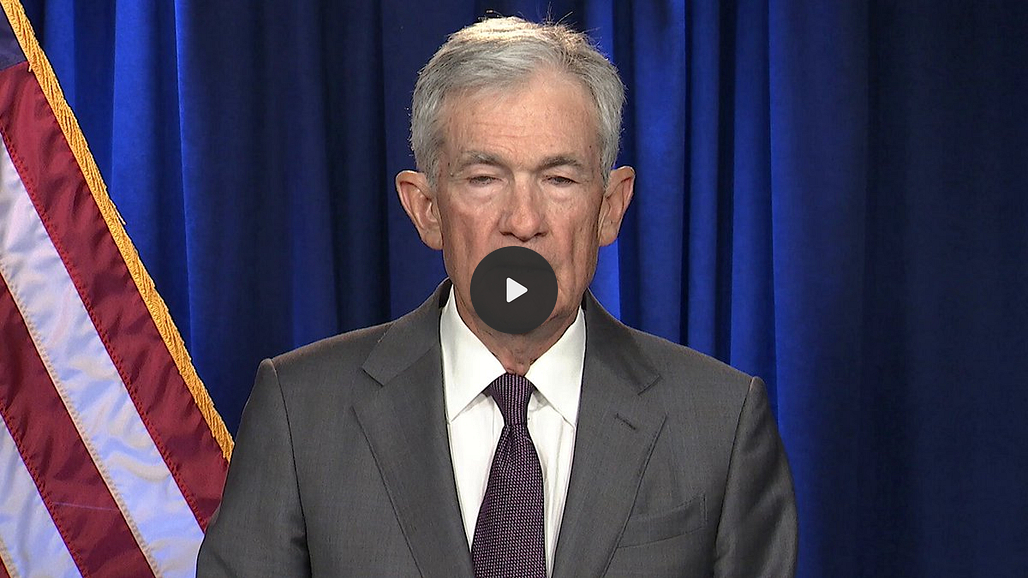
Days later the US Treasury Secretary indicated that the Fed (due to their ability to print new money for cost overruns into existence “must be like Caesar’s wife: beyond reproach”):


The backdrop to all of this is the Fed holding interest rates higher than many believe appropriate.
In the interview above, US Treasury Secretary Scott Bessent indicated that nominal US GDP could come in much higher amidst a potential surge in productivity (likely due to AI, cheap energy, etc.), and the Fed should be open minded about not putting the brakes on the economy through higher interest rates.
CPI is arguably higher than actual inflation in the US:
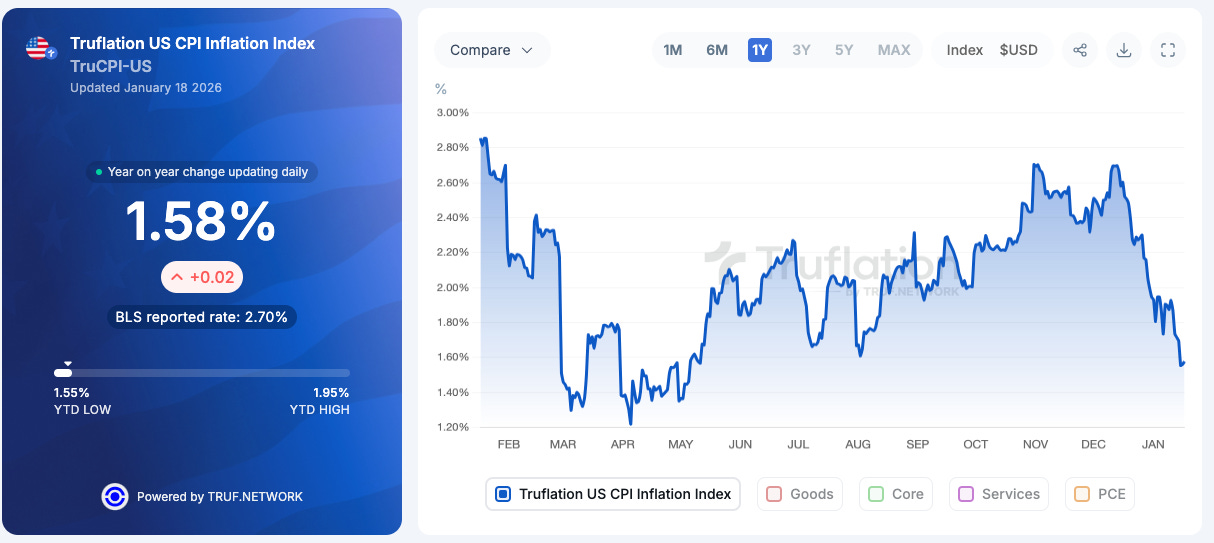
Source: https://truflation.com/marketplace/us-inflation-rate
Among the building blocks of 2026 that we should all be paying attention to is the need for the US Treasury to refinance 8 trillion in US debt in 2026:


Interest rate expense from the US Treasury continues to be high relative to the rest of the US Government budget:


Accordingly, global foreign currency reserves have been de-dollarizing:


But the US dollar is still above its 14-year trend line of strength relative to other currencies:


Macro eyeballs are glued to Japan’s ongoing deterioration in their long term bonds as the Yen carry trade evaporates, and rates climb in Japan. (Potentially this foreshadows what the US will experience in the coming years):


The concern remains (for the Fed and the rest of the US Economy) that the US will experience a double top in inflation that will repeat the 1970s experience:


